Understanding Indoor Agriculture and CIKA4D
Indoor agriculture has become an innovative solution in the quest for sustainable farming. It allows for year-round crop production by leveraging technology and controlled environments, meeting the demands of a growing population while minimizing environmental impact. As the industry evolves, companies like cika4d emerge to facilitate this shift, offering comprehensive design and construction services tailored for indoor agricultural needs.
What is Indoor Agriculture?
Indoor agriculture refers to the practice of growing crops within controlled environments, such as greenhouses or indoor facilities. This method utilizes artificial lighting, climate control, and various cultivation techniques to optimize plant growth. By regulating variables such as temperature, humidity, and nutrient delivery, indoor agriculture can significantly enhance yield and quality compared to traditional farming methods.
The Role of Technology in Indoor Farming
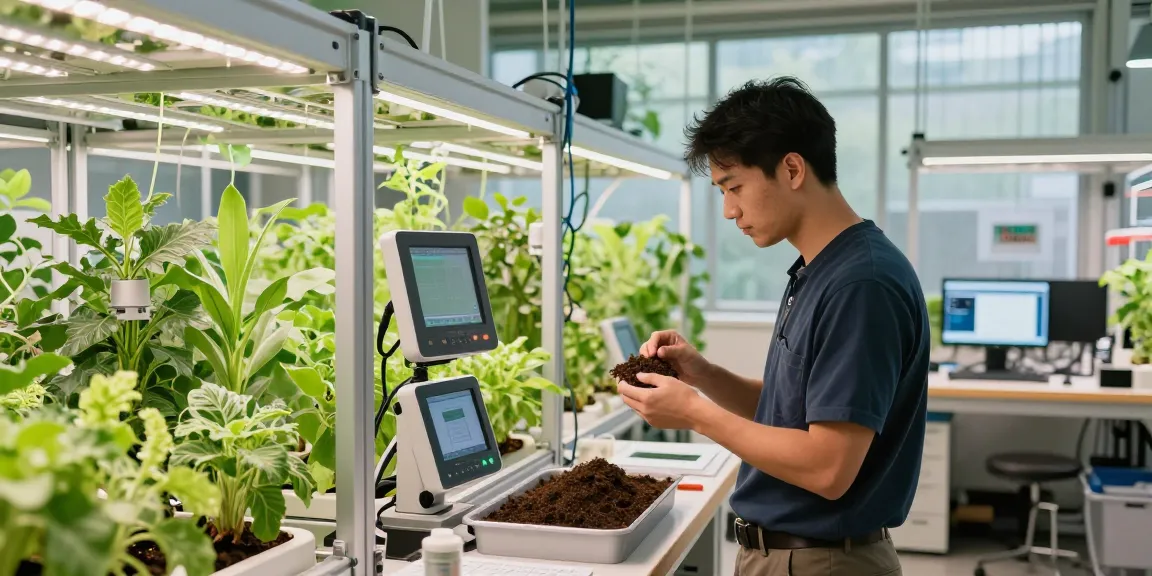
Technology plays a pivotal role in indoor farming. Advanced systems for lighting (such as LED technology), hydroponics, and aeroponics have revolutionized how plants are cultivated. Sensors and automation systems monitor environmental conditions in real-time, ensuring optimal growth conditions and resource efficiency. These innovations reduce labor costs and improve crop consistency, making indoor agriculture a scalable solution for food production.
Introduction to CIKA4D’s Solutions
CIKA4D specializes in providing end-to-end solutions for indoor agriculture, including design, construction, and consultation services. Their expertise covers a wide spectrum of agricultural requirements, from vertical farming systems to fully automated grow rooms. With a commitment to quality and sustainability, CIKA4D integrates cutting-edge technology into facility design to create environments that maximize plant health and productivity.
Key Benefits of CIKA4D Facilities
Enhanced Productivity and Efficiency
One of the most significant advantages of CIKA4D facilities is the enhanced productivity they provide. By implementing precise control over growing conditions, these facilities can produce higher yields in shorter cycles. Furthermore, automation reduces the need for manual labor, allowing growers to focus on strategic decision-making rather than routine tasks.
Energy Conservation and Sustainability
CIKA4D prioritizes energy efficiency in its designs. With the integration of renewable energy sources, such as solar panels, and energy-efficient systems for lighting and climate control, facilities become not only sustainable but economically viable. This approach not only conserves resources but also aligns with global sustainability goals.
Customized Solutions for Unique Needs
No two growing operations are the same. CIKA4D recognizes this and offers tailored solutions that meet the specific needs of each client. Whether a small urban farm or a large-scale commercial operation, CIKA4D’s team collaborates with clients to design systems that align with their goals and operational requirements.
Challenges in Implementing Indoor Agriculture
Common Obstacles in Indoor Farming
While indoor agriculture presents numerous benefits, it also comes with challenges. High initial capital costs for technology and infrastructure, coupled with technical complexity, can deter potential growers. Additionally, the need for specialized knowledge and skills in managing sophisticated systems can be a barrier to entry for many.
Addressing Cost Concerns with Innovative Solutions
To mitigate financial concerns, CIKA4D emphasizes innovation in their solutions. By leveraging financing options, grants, and subsidies, they help clients navigate the financial landscape of building indoor farms. Furthermore, innovative designs that optimize resource use lead to lower operational costs, enhancing the long-term viability of indoor farming.
Regulatory Considerations and Compliance
Regulations surrounding food safety and agricultural practices can vary significantly by region. CIKA4D ensures clients are informed about relevant regulations and assists in designing facilities that comply with local laws. This proactive approach minimizes the risk of non-compliance and streamlines the permitting process.
Best Practices for Successful Indoor Farming
Designing Optimal Growing Environments
Designing a successful indoor farming facility requires meticulous planning. Factors such as layout, airflow, and access to technology must all be considered. CIKA4D advocates for a modular approach to design, allowing for flexibility and scalability as market demands evolve.
Integrating Advanced Technology and Systems
The integration of technology in indoor farming is not merely beneficial—it is essential. CIKA4D emphasizes the importance of a holistic approach, incorporating IoT devices for monitoring, automated irrigation systems, and data analytics to inform growing practices. This integration helps in achieving high productivity while maintaining quality.
Monitoring and Measuring Success Metrics
To gauge the performance of an indoor farm, CIKA4D recommends establishing key performance indicators (KPIs). These metrics can include crop yield quality, energy consumption, and labor efficiency. Regular monitoring helps in making informed decisions that enhance productivity and sustainability over time.
Future Trends for Indoor Agriculture in 2026
Emerging Technologies Impacting CIKA4D
As we move towards 2026, several technologies are set to transform indoor agriculture further. Advances in AI and machine learning will enhance decision-making processes, allowing for predictive analytics in crop management. Robotic systems are also becoming more sophisticated, reducing labor costs and increasing efficiency.
Predictions for Sustainable Practices
Environmental sustainability will continue to shape the future of indoor agriculture. Expect to see greater emphasis on closed-loop systems that recycle resources and incorporate organic growing practices. CIKA4D is committed to pioneering these sustainable practices, ensuring that future facilities align with global ecological goals.
The Growing Role of Urban Farming
Urbanization has spurred a growing interest in local food production, leading to a rise in urban farming initiatives. CIKA4D is at the forefront of this trend, designing facilities that fit within urban environments and cater to the increasing demand for fresh produce within city limits.
What Should I Consider When Starting Indoor Agriculture?
For those considering entering the indoor agriculture space, several factors must be taken into account. Initial investments, operational costs, and market demand are crucial to evaluate. Additionally, understanding the required technology and obtaining proper training is essential for success.
How Can CIKA4D Help in My Indoor Farming Journey?
CIKA4D offers comprehensive support throughout the indoor farming journey. From initial consultation to facility design and construction, they guide clients at every stage. Their expertise ensures that facilities are optimized for performance, sustainability, and profitability.
What Are the Key Technologies Used in CIKA4D Facilities?
The technologies integrated into CIKA4D facilities include advanced lighting systems, climate control technologies, and hydroponic systems. These innovations work in concert to create optimal growing environments tailored to specific crops.
What Support Does CIKA4D Offer for New Clients?
CIKA4D provides extensive support for new clients, including training and resources to help them manage their facilities. Ongoing technical support ensures that clients can troubleshoot and resolve any issues that arise, fostering long-term partnerships.
Are CIKA4D Solutions Scalable for Different Facility Sizes?
Yes, CIKA4D solutions are designed to be scalable. Whether a client is operating a small greenhouse or a large indoor farm, the solutions can be adapted to fit various scales and operational requirements, ensuring flexibility in production capacity.
What Are the Cost Implications of Indoor Agriculture?
The cost of establishing an indoor agriculture facility varies widely based on scale, technology, and design. While the initial setup can be high, CIKA4D focuses on strategies that enhance long-term productivity and efficiency, making the investment worthwhile over time.