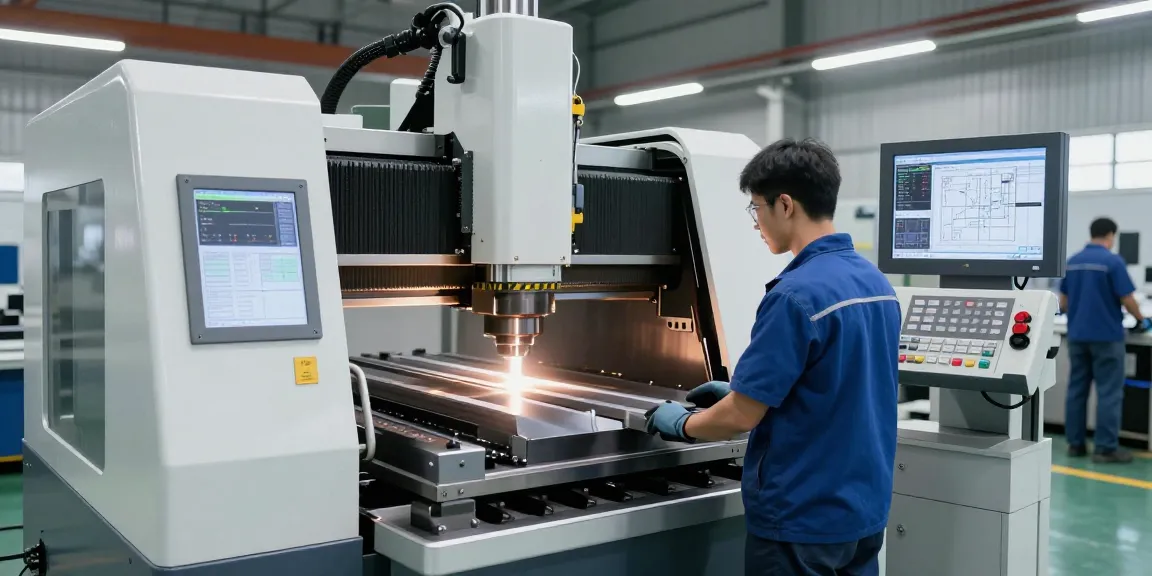
Understanding CNC Press Brake Technology
The usage of CNC (Computer Numerical Control) press brakes has revolutionized the metalworking industry, allowing for precision bending of various materials such as steel, aluminum, and titanium. A CNC press brake utilizes advanced technology to deliver consistent and accurate bends, making it an essential tool for manufacturers involved in producing components for sectors such as automotive, aerospace, and electronics. When exploring options, cnc press brake solutions like those offered by SC SHENCHONG provide comprehensive insights into the capabilities and configurations available in today’s market.
What is a CNC Press Brake?
A CNC press brake is a versatile machine used to bend sheet metal into predefined angles and shapes. Unlike traditional press brakes, CNC models automate the bending process through computer programming, allowing for precision and repeatability. The machine is controlled by a computer system that interprets the designer’s specifications, manipulating the hydraulic and mechanical components to perform exact bends according to the input parameters.
Key Features of CNC Press Brakes
- Accuracy: CNC press brakes achieve bending accuracy of ± 0.01mm, which is critical in high-stakes manufacturing environments.
- Multi-axis Control: Most modern models, such as the WEK series from SC SHENCHONG, come equipped with multiple axes that control the bending process, including Y1, Y2 for ram movement and X, R, and V for back gauge and crowning adjustments.
- User-Friendly Interfaces: Advanced CNC systems often feature touch-screen interfaces and graphic programming, allowing operators to easily input specifications and modify bending processes on-the-fly.
- Safety Features: These machines are designed with integrated safety features, such as light curtains and emergency stop buttons, ensuring operator safety during operation.
Applications in Modern Manufacturing
CNC press brakes are employed across a range of industries. They are crucial for manufacturing components in the automotive sector, where precision bending is necessary for parts like chassis and body panels. Additionally, industries that require custom fabrication of metal structures benefit from the efficiency and precision offered by CNC press brakes. Aerospace components also rely on CNC technology for their intricate designs and high tolerance requirements, making these machines indispensable for advanced manufacturing processes.
Comparative Analysis of CNC Press Brake Models
When considering different CNC press brake models, understanding the differences between standard and hybrid machines becomes essential. Standard CNC press brakes typically operate using hydraulic systems, while hybrid machines combine hydraulic and servo technology to enhance performance and reduce energy consumption.
Standard vs. Hybrid CNC Press Brakes
Standard CNC press brakes are effective for traditional bending tasks, often providing reliable results for basic applications. In contrast, hybrid CNC press brakes use a combination of electric and hydraulic components. This results in lower energy costs and improved efficiency, as servo motors provide precision control over the bending process. This hybrid approach can lead to significant operational savings over time, making them a compelling choice for manufacturers aiming to optimize their production lines.
Performance Metrics and Cost Comparison
- Initial Investment: Standard models may range from $20,000 to $30,000, while hybrid press brakes might start at $35,000, reflecting their advanced capabilities.
- Operating Costs: Due to their efficient energy consumption, hybrid models typically lower monthly energy costs compared to standard models.
- Maintenance: Hybrid systems can also require less maintenance, as their components tend to experience less wear and tear due to the efficient movement of parts.
Efficiency in Metal Bending Processes
The efficiency of metal bending processes can be significantly improved through the adoption of advanced CNC technologies. Features such as automatic tooling recognition and real-time monitoring of bending parameters help reduce cycle times and increase output quality. The integration of adaptive control systems allows manufacturers to adjust bending sequences dynamically based on real-time feedback from the machinery, ensuring optimal performance with minimal waste.
Benefits of Advanced CNC Press Brake Systems
Investing in advanced CNC press brake systems can yield numerous benefits, including enhanced operational efficiency, improved product quality, and increased safety measures.
Precision and Accuracy in Operation
The core advantage of CNC technology is the unrivaled precision it offers. CNC press brakes like the WEK model utilize sophisticated servo motors and feedback systems to ensure that every bend is executed with accuracy. This level of precision is not only crucial for meeting customer specifications but also for reducing material waste and the need for rework, thus saving costs for manufacturers.
Enhanced Safety Features in Design
Today’s CNC press brakes include advanced safety technologies designed to protect operators. Features such as automatic shut-off functions, integrated light curtains for machine protection, and advanced software that monitors operational safety are pivotal in reducing workplace accidents. Manufacturers are often required to adhere to strict safety standards, making these safety features an essential component of CNC machine design.
Automation and Integration with Robotics
One of the most significant advancements in CNC press brake technology is the automation of the bending process through robotics. The integration of robots allows for faster processing times and the handling of complex parts, which would typically require manual operation. This not only enhances productivity but also frees up skilled technicians to focus on more complex tasks, reducing labor costs and improving overall efficiency.
Challenges and Solutions in CNC Press Brake Usage
While CNC press brakes offer considerable advancements in technology and efficiency, users may encounter challenges that require strategic solutions for successful implementation and operation.
Common Operational Challenges
- Programming Complexity: Some operators may struggle with the complexity of programming CNC machines. Providing comprehensive training and user-friendly software is essential.
- Maintenance Issues: Regular maintenance is crucial for long-term operation. Establishing a routine maintenance schedule can help mitigate potential issues arising from wear and tear.
- Supply Chain Interruptions: The availability of parts and materials can significantly affect production. Building strong relationships with suppliers and diversifying sources can help alleviate these concerns.
Maintenance Best Practices
Maintaining a CNC press brake involves several best practices that ensure operational efficiency and longevity of the machine:
- Regular lubrication of moving parts to reduce friction and wear.
- Frequent inspection of hydraulic systems for leaks or damage.
- Calibration checks to ensure precision in bends over time.
- Software updates to ensure the system runs the latest protocols and safety features.
Adapting to Emerging Manufacturing Technologies
As technology evolves, CNC press brake users must remain adaptable. Exploring emerging technologies such as AI for predictive maintenance and blockchain for supply chain management can help manufacturers stay competitive in a fast-evolving market.
The Future of CNC Press Brake Technology
The landscape of CNC press brake technology continues to shift, influenced by advancements in AI, energy efficiency, and automated workflow systems.
Trends in CNC Machine Design
Future CNC press brakes are expected to incorporate more advanced AI capabilities, allowing for smarter automation and enhanced predictive analytics for maintenance needs. This can lead to decreased downtime and improved operational efficiencies, paving the way for the facilities of the future.
Impact of AI on Manufacturing Processes
The introduction of AI into manufacturing processes can lead to smart factories where CNC press brakes will make real-time adjustments based on data analytics, ensuring optimal production. Features like automated learning for bending parameters will vastly improve the efficiency of operations.
Sustainability and Energy Efficiency Improvements
As the focus on sustainability grows, CNC press brakes are likely to shift towards energy-efficient models, minimizing power consumption while maximizing productivity. Innovations in hybrid designs will lead to machines that are not only more accurate and reliable but also environmentally friendly, aligning with global sustainability goals.
FAQs
What is the cost range for a CNC press brake?
The cost for a CNC press brake typically ranges from $20,000 to $45,000, depending on features and capabilities. Hybrid models generally have a higher upfront cost but can offer savings in operational efficiency over time.
How does automation enhance CNC press brake efficiency?
Automation streamlines the bending process, allowing for quicker cycle times and reducing manual intervention. This leads to consistent output, minimal errors, and higher production rates.
What maintenance practices are vital for CNC press brakes?
Essential maintenance practices include regular calibration, lubrication, routine inspections for wear and tear, and staying updated with the latest software to enhance functionality and safety.