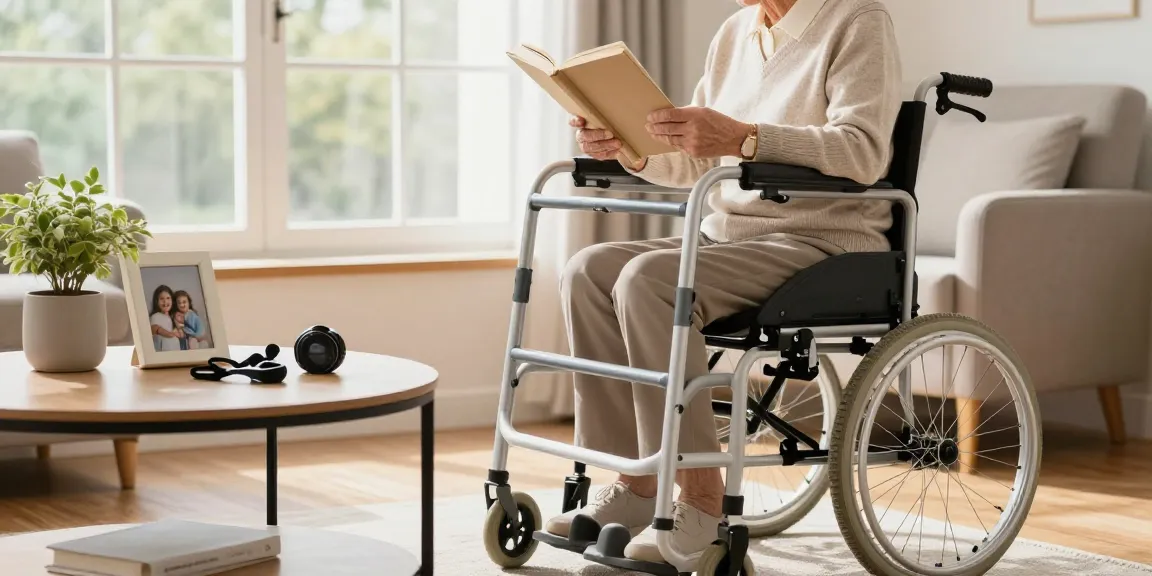
Understanding Mobility Aids and Their Importance
In an era where maintaining independence and mobility is paramount, the role of mobility aids has become increasingly significant. Mobility aids can facilitate a better quality of life for individuals experiencing difficulties in movement due to age, disability, or temporary injuries. By understanding the various types of mobility aids available and their benefits, you can make informed choices that enhance your daily activities and overall well-being. When exploring options, buy nobility aids and discover a wide range of solutions tailored to meet specific needs.
What Are Nobility Aids?
Nobility aids refer specifically to adaptive devices designed to assist individuals with limited mobility, promoting greater independence in daily tasks. These aids encompass a variety of products ranging from canes and walkers to wheelchairs and mobility scooters. The term "nobility aids" emphasizes the importance of maintaining a dignified and active lifestyle, reflecting the necessity of personalized devices that cater to individual needs.
Benefits of Using Mobility Aids
The advantages of mobility aids are profound and multifaceted. Here are some key benefits:
- Enhanced Independence: Mobility aids enable users to perform everyday tasks without relying heavily on others, fostering a sense of autonomy.
- Improved Safety: These aids help reduce the risk of falls and injuries, providing stability and support during movement.
- Increased Social Engagement: By facilitating easier movement, mobility aids encourage participation in social activities, enhancing mental well-being.
- Customized Solutions: There is a wide variety of mobility aids available that can be tailored to meet individual needs based on lifestyle, physical condition, and personal preferences.
Common Types of Mobility Aids Available
There is a diverse range of mobility aids designed to support a variety of needs:
- Canes and Walking Sticks: Ideal for individuals requiring minimal support, they provide balance and stability.
- Walkers: These offer greater support than canes and are suitable for those needing assistance walking.
- Wheelchairs: Manual and powered options are available for individuals with significant mobility challenges.
- Mobility Scooters: Perfect for those who can no longer walk long distances, allowing independence in moving around.
- Crutches: Useful for temporary mobility issues, allowing users to offload weight from injured legs.
How to Choose the Right Mobility Aid
Selecting the appropriate mobility aid involves understanding personal needs and lifestyle factors. Here are important considerations:
Assessing Personal Needs and Lifestyle
Begin by evaluating your mobility limitations and daily activities. Consider whether the aid will be used indoors, outdoors, or both, and what types of surfaces you will encounter. Take into account any specific physical requirements, such as weight capacity or ease of use in specific environments.
Key Features to Look for in Mobility Aids
When choosing mobility aids, consider the following features:
- Weight and Portability: Ensure the aid is lightweight and easy to transport if needed.
- Adjustability: Look for products that can be adjusted for height and comfort.
- Stability: Check for features that enhance support, such as rubber footings or hand grips.
- Durability: Select materials and construction that are robust and suitable for long-term use.
Consulting Healthcare Professionals
Before making a purchase, consult with healthcare providers, such as physical therapists or occupational therapists. They can help assess needs, recommend suitable mobility aids, and provide guidance on proper usage and safety measures.
The Future of Mobility Aids: Trends and Innovations
The landscape of mobility aids is constantly evolving, with advancements that promise to enhance user experience significantly. Here are some trends to watch for:
Technological Advances in Mobility Aids
Innovations in technology are transforming the functionality and design of mobility aids. Features such as lightweight materials, smart sensors, and user-friendly controls are becoming commonplace. For example, wheelchairs with advanced navigation systems can allow for easier maneuverability in crowded spaces.
Future Predictions for Mobility Aid Demand
As the global population ages, the demand for mobility aids is expected to rise. An increasing number of older adults are seeking solutions that not only meet their mobility needs but also promote a more active lifestyle. This demand will likely drive the development of more personalized and adaptive mobility solutions.
Innovative Designs for Enhanced Comfort and Use
Future mobility aids will increasingly focus on user comfort, with ergonomic designs and improved aesthetics. Manufacturers are expected to invest in research that addresses user feedback, leading to products that better meet the physical and emotional needs of users.
Maintaining Independence with Mobility Aids
Mobility aids play a crucial role in allowing individuals to maintain personal independence throughout their daily routines. Here’s how they facilitate this independence:
Daily Activities Made Easier
Mobility aids significantly simplify various daily tasks. Whether grocery shopping, walking in the park, or participating in family gatherings, these aids promote greater participation and interaction.
Adapting Your Living Space for Mobility Aids
Creating an accessible home environment is essential for maximizing the benefits of mobility aids. This may involve rearranging furniture, installing grab bars, or utilizing ramps to ensure safe movement throughout the home.
Social Engagement and Mobility Aids
With mobility aids, individuals can engage more actively in community and family activities. This participation not only enhances their social life but also contributes positively to their mental health and emotional well-being.
Frequently Asked Questions About Mobility Aids
Can I get mobility aids for free?
Many healthcare services offer assistance in obtaining mobility aids at little or no cost to the user, depending on individual assessments. Consulting local social services can provide more information on available resources.
What are the best mobility aids for seniors?
The best mobility aids for seniors typically include walkers, canes, and mobility scooters, depending on the level of mobility assistance required. Personal preferences and specific needs should always guide the selection process.
How can mobility aids enhance quality of life?
By promoting independence, mobility aids significantly enhance the quality of life for users. They enable individuals to maintain control over their daily routines and remain active members of their communities, contributing to overall happiness and satisfaction.