Understanding NAGA2000: The Future of Manufacturing Technology
The manufacturing landscape is undergoing a transformative shift, and at the forefront of this revolution is NAGA2000, a cutting-edge technology that promises to redefine how products are designed, produced, and delivered. As industries strive for greater efficiency and innovation, NAGA2000 emerges not only as a tool but as a comprehensive solution that integrates advanced automation, artificial intelligence, and smart manufacturing practices. Industry leaders and innovators are beginning to realize the implications of this technology on productivity, cost savings, and competitive advantage. When exploring options, NAGA2000 provides comprehensive insights into the future of manufacturing, allowing companies to stay ahead of the curve.
What is NAGA2000?
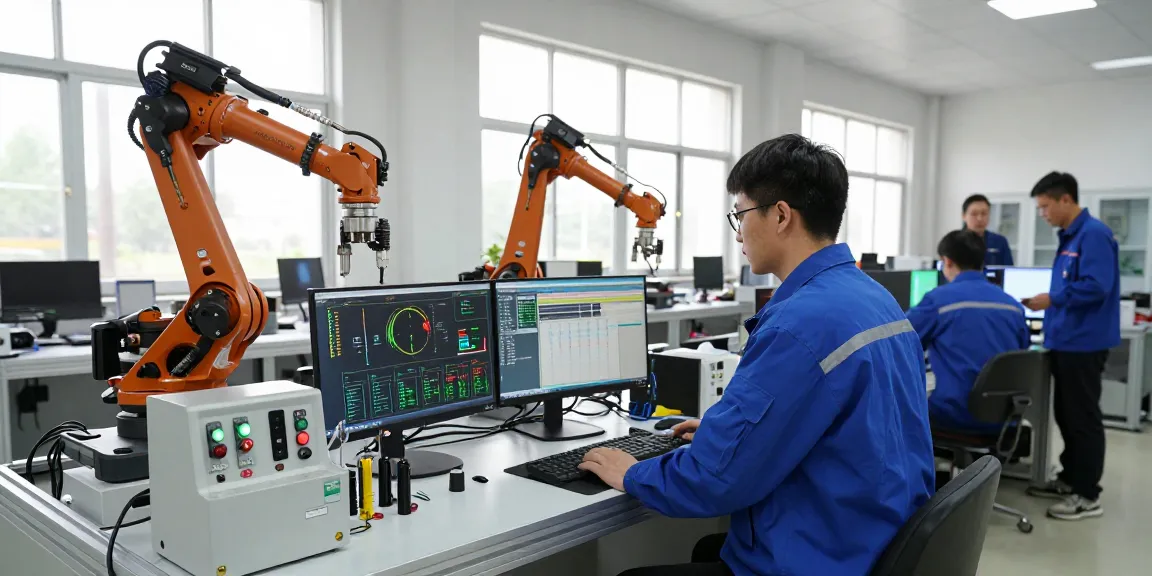
NAGA2000 refers to a sophisticated manufacturing framework that utilizes a blend of automated systems and data analytics. It aims to streamline processes across the production line, reducing downtime and enhancing throughput. The technology incorporates Internet of Things (IoT) sensors, machine learning algorithms, and robotics to create a responsive manufacturing environment. This adaptability not only allows for real-time adjustments but also paves the way for predictive maintenance and quality assurance processes that were previously unattainable.
Historical Context and Development
The roots of NAGA2000 can be traced back to the industrial revolution, but its modern incarnation has evolved significantly since the turn of the millennium. With advancements in computing power and connectivity, manufacturers began to explore automation beyond traditional assembly lines. By leveraging big data and cloud computing, companies have seen a profound shift in how they approach production challenges. The journey towards NAGA2000 has been marked by incremental advancements in technology, ultimately culminating in a fully integrated manufacturing solution designed for the complexities of today's market demands.
Anticipated Benefits of NAGA2000 in Manufacturing
Increased Efficiency and Productivity
One of the most significant benefits of NAGA2000 is its potential to enhance operational efficiency. By automating repetitive tasks, manufacturers can allocate human resources to more complex activities that require innovation and problem-solving skills. As a result, production rates can increase significantly, leading to higher output without a corresponding increase in labor costs. In environments where speed and adaptability are critical, NAGA2000 technologies provide the agility to respond swiftly to market changes.
Cost-Effectiveness Over Time
Although implementing NAGA2000 may require an initial investment, the long-term cost savings are compelling. The reduction in operational costs stems from lower labor expenses, decreased material waste, and minimized downtime due to predictive maintenance capabilities. Early adopters of NAGA2000 have reported substantial returns on investment within the first few years as they harness the advantages of streamlined operations.
Enhanced Precision and Quality Control
Quality control is paramount in manufacturing, and NAGA2000 enhances this aspect through its integrated systems. The use of real-time data analytics allows for immediate feedback on production quality, enabling rapid adjustments when deviations occur. Machine learning algorithms can identify patterns that lead to defects, thereby improving the overall quality of the output. This level of precision not only reduces the cost associated with rework and scrap but also builds a company's reputation for reliability.
Challenges and Misconceptions Around NAGA2000
Common Industry Myths
Despite its promising capabilities, misconceptions about NAGA2000 persist in the industry. One common myth suggests that automation will replace human workers altogether. In reality, NAGA2000 complements the workforce, enhancing their capabilities rather than eliminating jobs. Employees equipped with the right training can oversee complex systems while focusing on higher-order tasks that drive innovation.
Obstacles to Implementation
Implementation of NAGA2000 is not without challenges. Organizations must navigate the technological integration process, which can be daunting, particularly for legacy systems. Additionally, the initial costs can deter smaller manufacturers from investing in such advanced technology. It is essential for companies to approach implementation strategically, developing a clear roadmap that aligns with their operational goals.
Expert Opinions on Feasibility
Industry experts emphasize the importance of a phased approach to adopting NAGA2000. Organizations are encouraged to assess their existing capabilities and gradually integrate components of the technology. By partnering with technology providers and investing in employee training, manufacturers can facilitate a smoother transition and ensure that they maximize the benefits of this innovative solution.
Real-World Applications and Case Studies
Case Study: Successful Integration of NAGA2000
A notable example of NAGA2000's application can be seen in a large automotive manufacturing facility that adopted the technology to enhance its production line. By implementing IoT sensors and machine learning models, the company achieved a 25% reduction in production time and significantly improved its defect rates. This success story illustrates the tangible benefits that can arise from embracing advanced manufacturing technologies.
Industry-Specific Use Cases
NAGA2000 is versatile and applicable across various industries, including aerospace, pharmaceuticals, and consumer goods. In aerospace, for instance, the technology is used for precision component fabrication, ensuring adherence to stringent safety standards. In pharmaceuticals, it aids in the formulation processes, enhancing the speed and accuracy of production while maintaining compliance with regulatory requirements. Consumer goods manufacturers benefit from NAGA2000 by optimizing supply chains and reducing lead times.
Lessons Learned from Early Adopters
Early adopters of NAGA2000 have gleaned valuable insights that can guide others considering the transition. Key lessons include the importance of cross-functional collaboration during the implementation process and the necessity of ongoing employee education. Understanding that technology alone cannot solve complex manufacturing challenges allows companies to adopt a holistic approach to their operational strategies.
Future Trends and Predictions for Manufacturing with NAGA2000
Projected Technological Advancements by 2026
The future of NAGA2000 appears promising, with several technological advancements expected to shape manufacturing by 2026. Innovations in artificial intelligence are anticipated to enhance predictive analytics capabilities further, enabling manufacturers to anticipate market demands with unparalleled accuracy. Moreover, advancements in robotics are likely to lead to smarter machines that can learn and adapt to new tasks independently.
Market Landscape and Competitor Analysis
The manufacturing market is becoming increasingly competitive as more businesses recognize the benefits of adopting advanced technologies like NAGA2000. Companies investing in R&D will likely outpace their competitors, positioning themselves as industry leaders. Strategic alliances between technology providers and manufacturers are also expected to become more prevalent, fostering collaboration that drives innovation.
Long-Term Impact on Industry Standards
As NAGA2000 becomes more integrated into manufacturing processes, it is likely to set new industry standards for efficiency, quality, and sustainability. The technology's emphasis on data-driven decision-making will prompt a shift in operational metrics, focusing on outcomes rather than traditional inputs. This change will challenge organizations to rethink their strategies in alignment with evolving benchmarks.
What industries can benefit most from NAGA2000?
While NAGA2000 has wide-ranging applications, industries such as automotive, electronics, and pharmaceuticals stand to gain the most. These sectors often deal with complex supply chains and stringent regulatory requirements, making the precision and efficiency offered by NAGA2000 critical to enhancing performance and compliance.
How does NAGA2000 compare to existing technologies?
NAGA2000 surpasses many existing technologies by offering a more integrated approach to manufacturing. Unlike traditional systems that often operate in silos, NAGA2000 combines advanced analytics, automation, and connectivity, resulting in a cohesive solution that reduces inefficiencies and enhances decision-making capabilities.
What are the initial steps to implement NAGA2000?
The initial steps for implementing NAGA2000 should start with a comprehensive assessment of current manufacturing processes. Following this, companies should develop a strategic plan that outlines the desired outcomes and the technologies to be adopted. Engaging stakeholders across the organization is essential for fostering buy-in and ensuring resource allocation for successful implementation.
What metrics should be used to measure success?
Success metrics for NAGA2000 implementation should focus on key performance indicators (KPIs) such as production efficiency, quality control rates, downtime, and cost savings. By monitoring these metrics, organizations can gauge the effectiveness of their investment and make necessary adjustments to optimize performance.
What predictions exist for the future relevance of NAGA2000?
Looking towards the future, it is likely that NAGA2000 will continue to evolve alongside technological advancements. As manufacturers increasingly embrace automation and data-driven strategies, NAGA2000 may become synonymous with modern manufacturing excellence. Predictive analytics and AI integration will solidify its relevance, ensuring it remains a cornerstone of operational success for years to come.