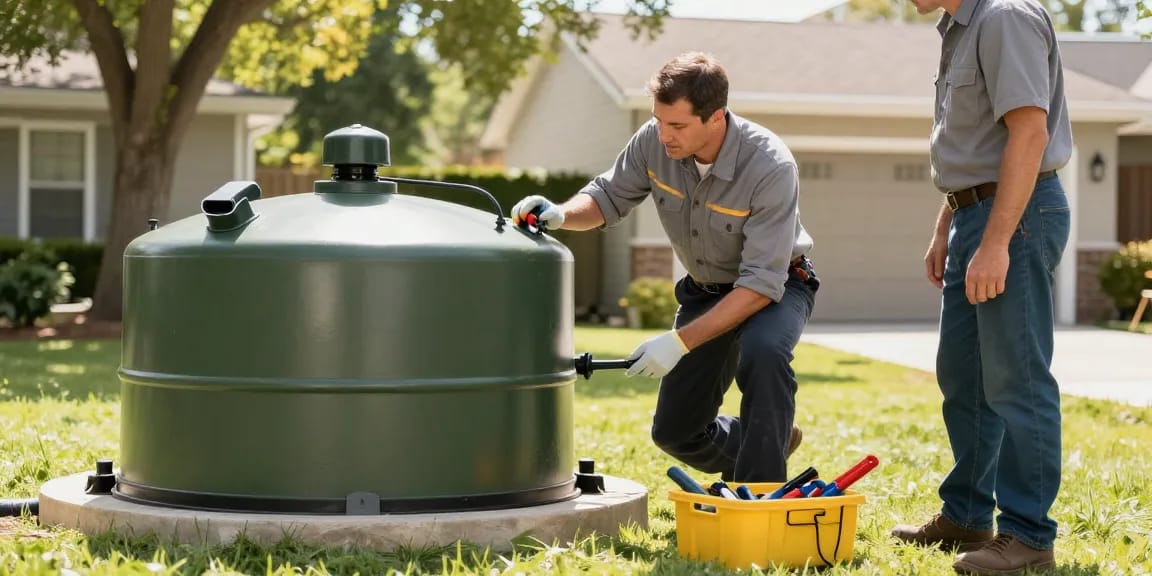
Understanding Septic Service: What to Expect
Septic services are essential for maintaining a healthy home and environment, particularly for those not connected to a municipal sewage system. Homeowners and property managers need to understand what septic service entails, including routine maintenance, potential repairs, and emergency services. Knowing when and how to service your septic system can save you significant time and money in the long run. When exploring options, septic service providers can help you keep your system functioning smoothly and comply with local regulations.
Common Services Offered by Septic Professionals
Septic professionals provide a range of services to ensure your system operates efficiently. Common offerings include:
- Septic Tank Pumping: Regular pumping, typically every 3 to 5 years, prevents overflows and backups.
- Inspection: Comprehensive inspections assess the condition of your tank and the entire system, identifying any necessary repairs before they escalate.
- Repair Services: Issues such as leaks, blockages, and faulty components can be quickly and effectively repaired by specialists.
- Installation: For new homes or properties, septic professionals can install a brand-new septic system or cesspool.
- Maintenance Plans: Many providers offer maintenance contracts, ensuring periodic checks and routine pumping.
Signs Your System Needs Attention
Recognizing early warning signs can help prevent severe problems with your septic system. Look out for:
- Slow drains or plumbing backups.
- Unpleasant odors around your property.
- Pooling water or unusually lush vegetation in your yard.
- Gurgling sounds in plumbing fixtures.
Routine Maintenance and Benefits
Regular maintenance of your septic system is crucial for its longevity and effectiveness. By scheduling routine inspections and pumping, homeowners can mitigate risks and ensure their systems operate smoothly. Benefits of preventive maintenance include:
- Cost Savings: Addressing minor issues annually can prevent costly repairs or system replacements.
- Health Safety: A well-maintained septic system is less likely to cause leaks or overflows, minimizing health risks.
- Environmental Protection: Proper maintenance prevents harmful substances from contaminating groundwater and local ecosystems.
Choosing the Right Local Septic Service Provider
Finding a reliable local septic service provider is critical for effective system maintenance and repair. Homeowners should focus on the following factors:
Key Qualities to Look for in a Provider
When searching for a septic service provider, consider these essential qualities:
- Licensing and Certification: Ensure the contractors are licensed and certified to perform work in your area.
- Experience: Opt for a provider with extensive experience in the septic industry, as they are more likely to handle diverse issues.
- Insurance: Always choose a company that is fully insured to protect yourself from liability during service.
- Reputation: Look for a provider with positive reviews and a strong reputation in your local community.
Researching Local Reviews and Ratings
Online reviews and ratings can provide valuable insights into a company's reputation. Websites such as Yelp and Google Reviews showcase customer experiences and satisfaction levels. Look for patterns in feedback regarding:
- Quality of service delivered.
- Timeliness and responsiveness.
- Punctuality in appointments and completion times.
Questions to Ask Before Hiring
Before committing to a septic service provider, consider asking these key questions:
- What is included in your service estimates?
- How do you handle emergency services?
- Can you provide references from previous clients?
- What are your payment policies and accepted methods?
Septic Service Costs: What You Should Know
Understanding the costs associated with septic services can help you budget effectively and avoid unexpected expenses. Prices can vary significantly based on multiple factors.
Pricing Breakdown for Common Services
Here’s a general overview of what you might expect to pay for popular septic services:
- Septic Tank Pumping: $250 to $500 depending on the size of your tank and local rates.
- Septic Inspection: $100 to $300 based on thoroughness and company fees.
- Minor Repairs: $200 to $1,500 depending on the issue and parts required.
- Septic System Installation: $3,000 to $15,000 depending on system type and site conditions.
Factors Affecting Cost Estimates
Several factors can influence the total cost of septic services:
- Size of the tank: Larger tanks typically require more time and resources to service.
- System type: Different systems may have unique maintenance and repair needs.
- Location: Access issues, such as steep driveways or unmaintained paths, can increase costs.
Emergency Service Pricing Considerations
Emergency services often come at a premium. Expect to pay higher rates outside of normal business hours or during peak seasons. Always discuss possible pricing with your service provider in advance, particularly for urgent situations.
Licensing and Insurance for Septic Services
When engaging a septic service provider, ensuring they are properly licensed and insured is fundamental to your peace of mind and protection.
Why Licensed Contractors Matter
Licensed professionals have demonstrated their knowledge and compliance with local regulations, which is vital for safety and legal reasons. Hiring licensed contractors helps ensure quality work, as these professionals are held to industry standards.
Insurance Coverage: What to Verify
Request proof of insurance from your septic service provider. An insured company protects you from liability in case of accidents or damage during service. Coverage should include both general liability and workers' compensation.
Local Regulations and Compliance Tips
Familiarize yourself with local septic regulations to ensure your system complies with all requirements. Many states have specific guidelines regarding installation, maintenance, and inspection. Regular updates are crucial, particularly in rapidly changing areas.
Maintaining Your Septic System: Seasonal Tips
Proper seasonal maintenance can extend the life of your septic system and reduce repair costs. Each season brings unique challenges; therefore, proactive care is essential.
Preparing Your System for Different Seasons
Take the following measures to prepare your septic system for changing seasons:
- Spring: Inspect for damage from winter; clear any debris or vegetation.
- Summer: Monitor water usage and avoid excessive irrigation of your lawn.
- Fall: Schedule an inspection before winter to address any issues.
- Winter: Insulate exposed pipes and minimize water usage during extreme cold.
Signs of Trouble to Monitor Year-Round
Consistent monitoring can help you catch potential problems early. Be on the lookout for:
- Changes in the smell of your drains.
- Muddy areas or standing water near the drain field.
- Unexplained increase in water bills.
DIY Care versus Professional Maintenance
Regular DIY checks can help, but professional maintenance is necessary for comprehensive care. For more information, Miltonsepticpumping.com offers valuable insights. Familiarize yourself with the fundamental tasks you can manage, like ensuring outlet pipes are clear, but rely on professionals for pumping and inspections to keep your system functioning optimally.